

WP01

Investigates how passengers actually perceive thermal comfort on board an electric vehicle,combining usage patterns, habits, and the thermal comfort thresholds people are willing to accept.
User Requirements e usage acceptance limits
WP02

WP2 establishes the performance baseline for the three demonstrator vehicles by identifying key parameters related to heating, cooling, and cabin comfort, equipping the vehicles with the necessary sensors, and defining standardized test protocols based on the WLTC cycle.
Baseline Vehicle Testing
WP03
Once the real-world data has been collected, WP3 transforms it into digital twins: high-fidelity models of the powertrain, HVAC system, cabin, and thermal comfort of the reference vehicles.
Baseline Vehicle Simulation Models
WP04
WP4 designs and builds prototypes of new HVAC components, including a CO2 and hydrocarbon air conditioning system, a regenerable thermal storage unit, an air-to-air heat recovery exchanger, radiant panels, and contact heating systems.
Design & Prototyping of HVAC Technologies
WP05
WP5 experimentally evaluates the thermal, energy, and comfort performance of the components developed in WP4, using dedicated test rigs and a vehicle mock-up.
Component Testing & Mock-up Integration
WP06
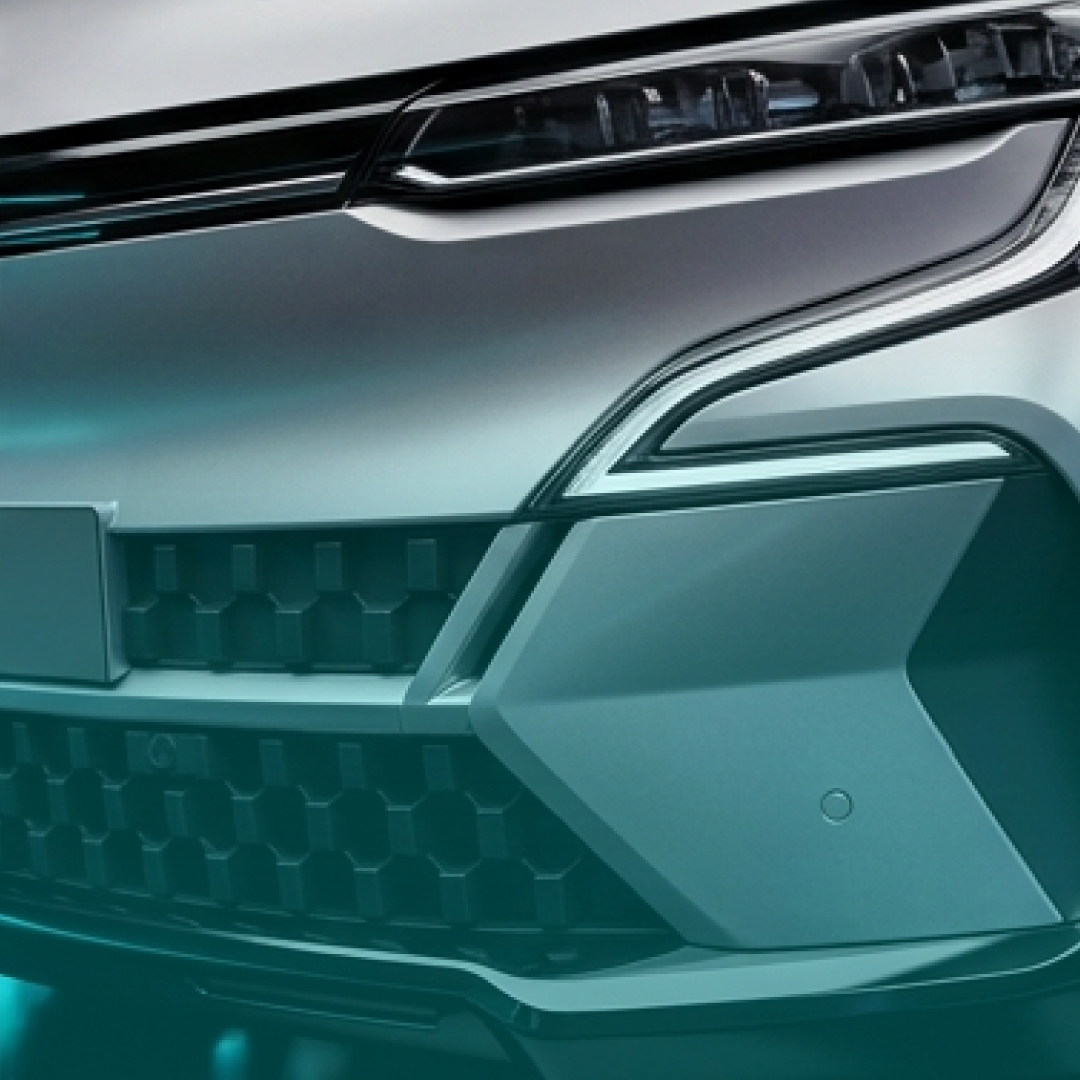
WP6 updates and enhances simulation models to reflect the introduced innovations, developing intelligent and predictive control strategies aligned with smart city standards that are capable of leveraging weather data.
Technology Demonstrator Simulation Models
WP07
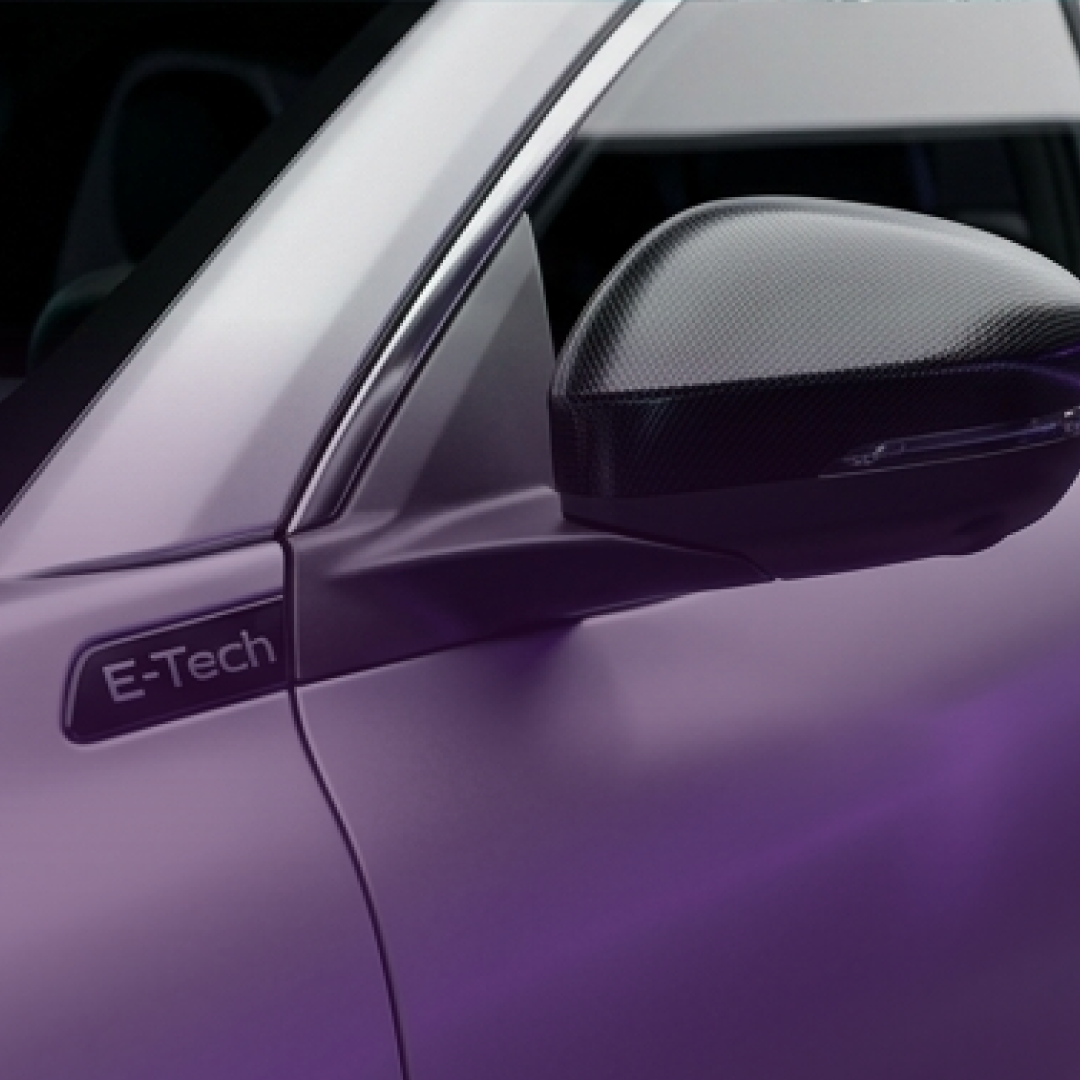
WP7 integrates the technologies developed in WP4 and tested in WP5 on three different demonstrator vehicles.
Fiat 500e, Renault Megane E-Tech and IVECO eDaily.
Integration into Vehicle Demonstrators
WP08
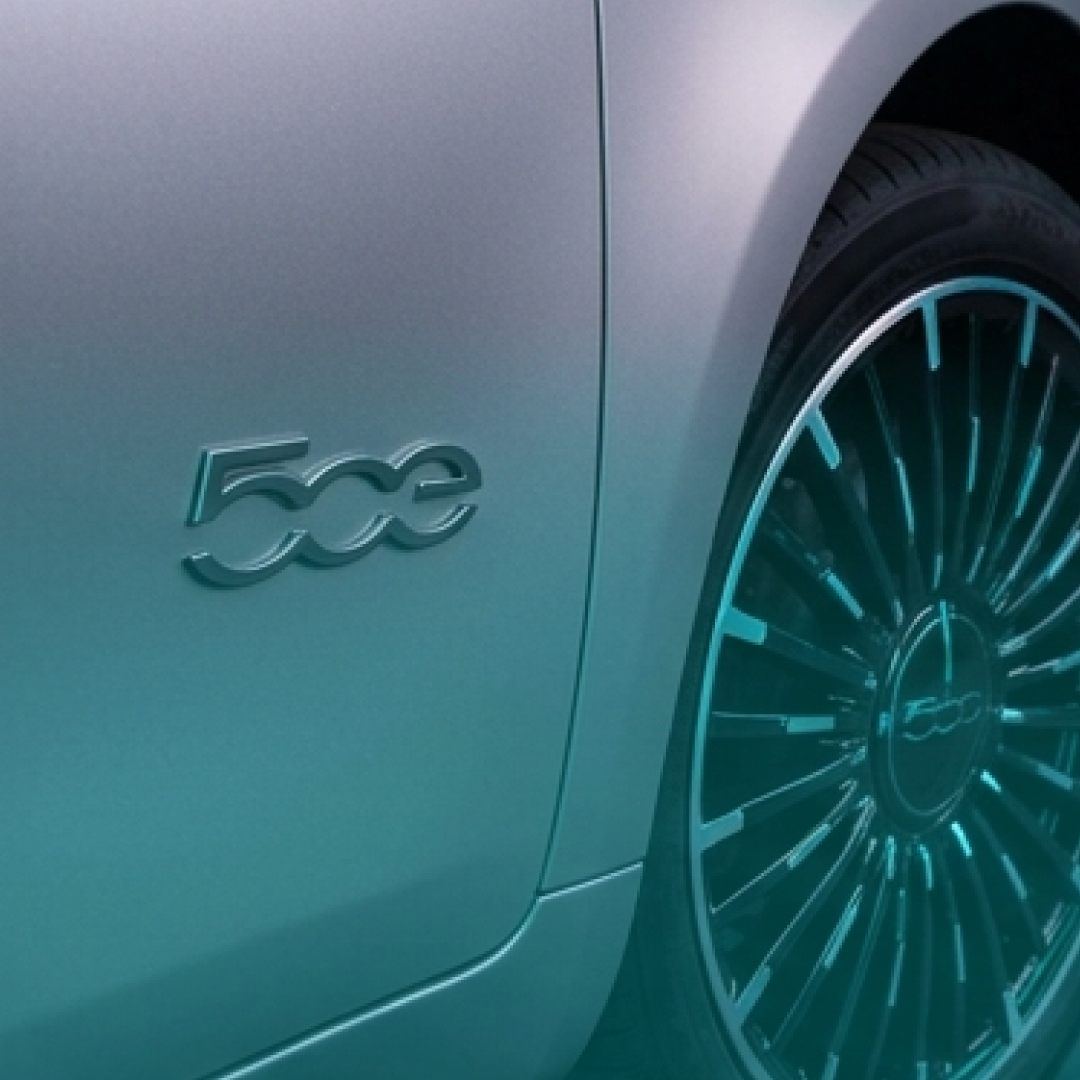
The demonstrator vehicles undergo testing; the trials evaluate the thermal comfort achieved, the energy savings realized by the HVAC system, and user acceptance under both extreme hot and cold weather conditions.
Demonstrator Vehicle Testing
WP09
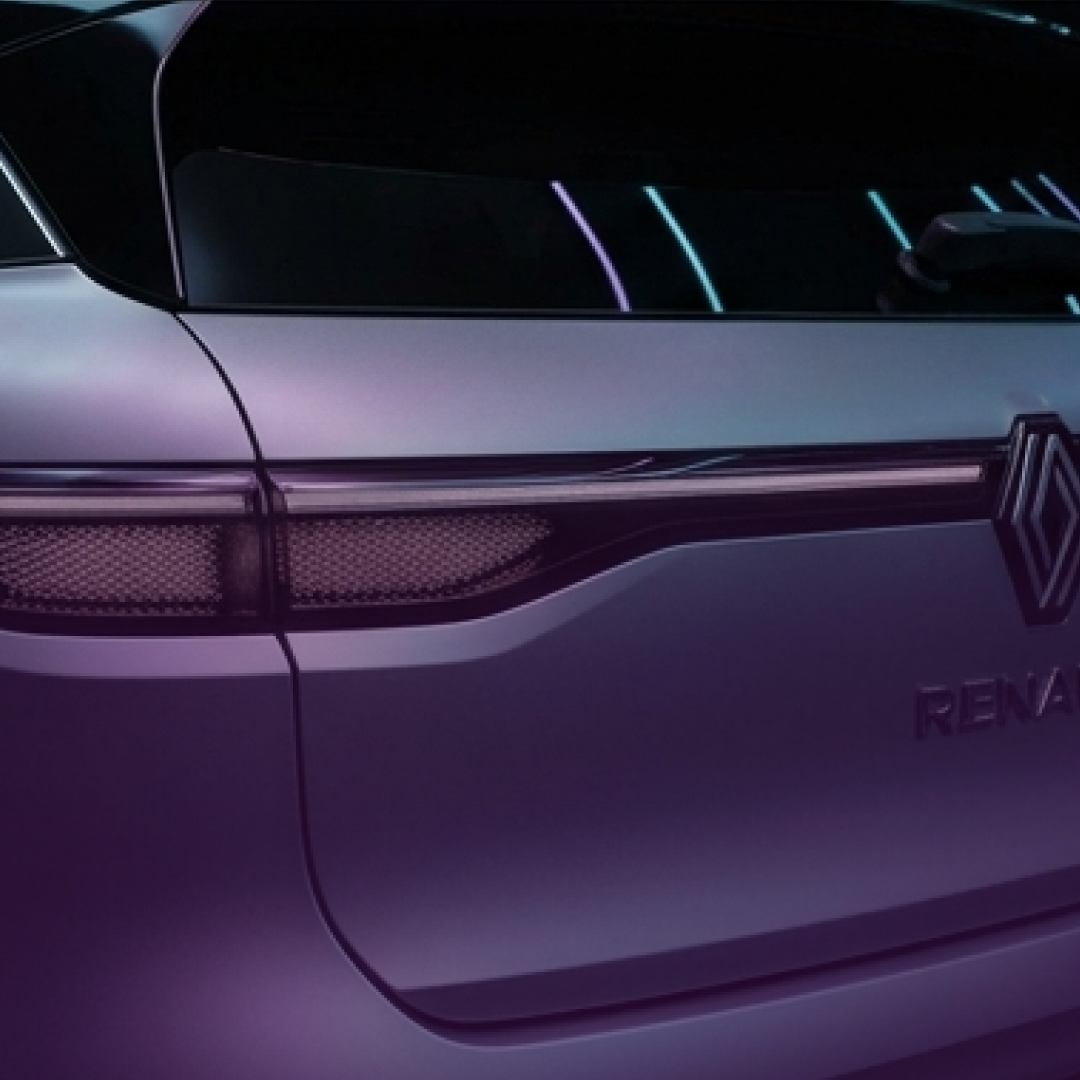
WP9 develops the project's dissemination and communication strategy targeting the scientific community and the general public, ranging from the website and social media channels to informational materials and partner interviews.
Dissemination, communication, and exploitation
WP10
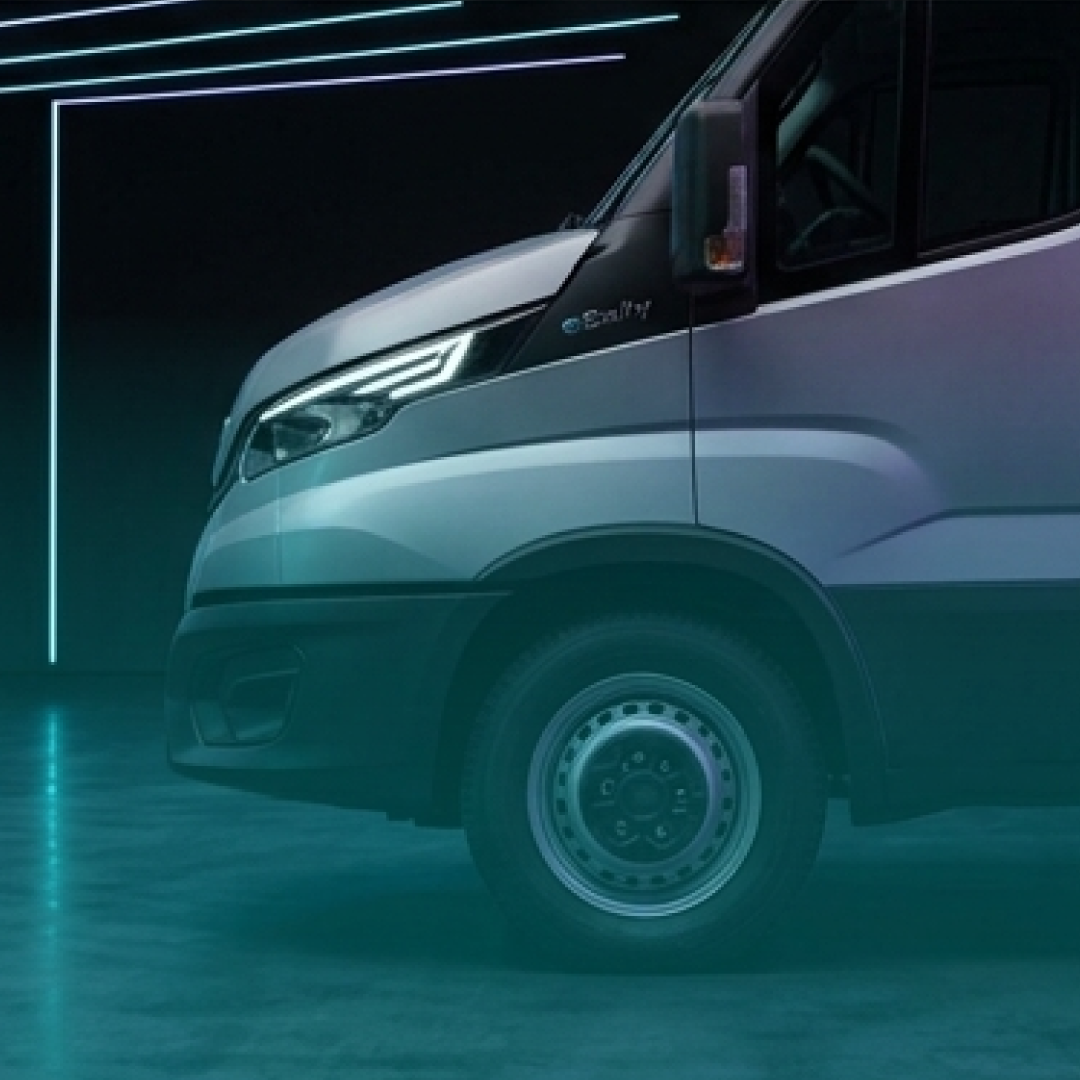
WP10 gives continuity to the work started in WP9, carrying forward in the second half of the project the scientific dissemination, the communication towards the non specialist public.
Dissemination, communication, and exploitation
WP11

WP11 ensures that EVEREST proceeds according to the planned schedule, quality standards, and objectives, handling contractual and financial management as well as management control.
Project management (P1)
WP12
WP12 continues the technical and administrative coordination work initiated in WP11, guiding the EVEREST project to completion with the same focus on timelines, quality, and proper resource management.